2 Oct 2026
Regional Patterns in Swiss Lotto Ticket Purchases Following Digital Blackjack Tournaments on Regulated Platforms
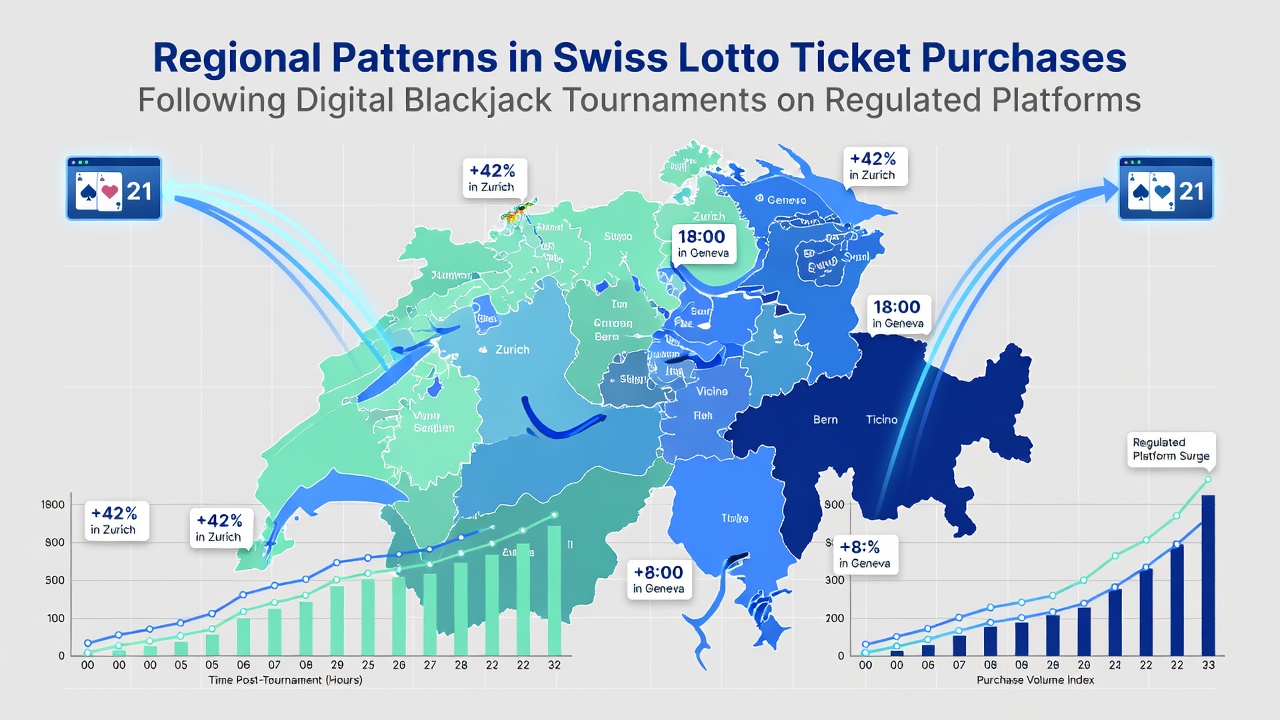
Digital blackjack tournaments on regulated Swiss platforms have produced measurable shifts in lotto ticket purchases across different cantons, and data collected through 2026 reveals distinct regional clusters where activity spikes after tournament peaks. Observers note that these patterns emerge most clearly in areas with higher concentrations of online gaming accounts, while rural districts show more muted responses tied to local participation rates in digital events.
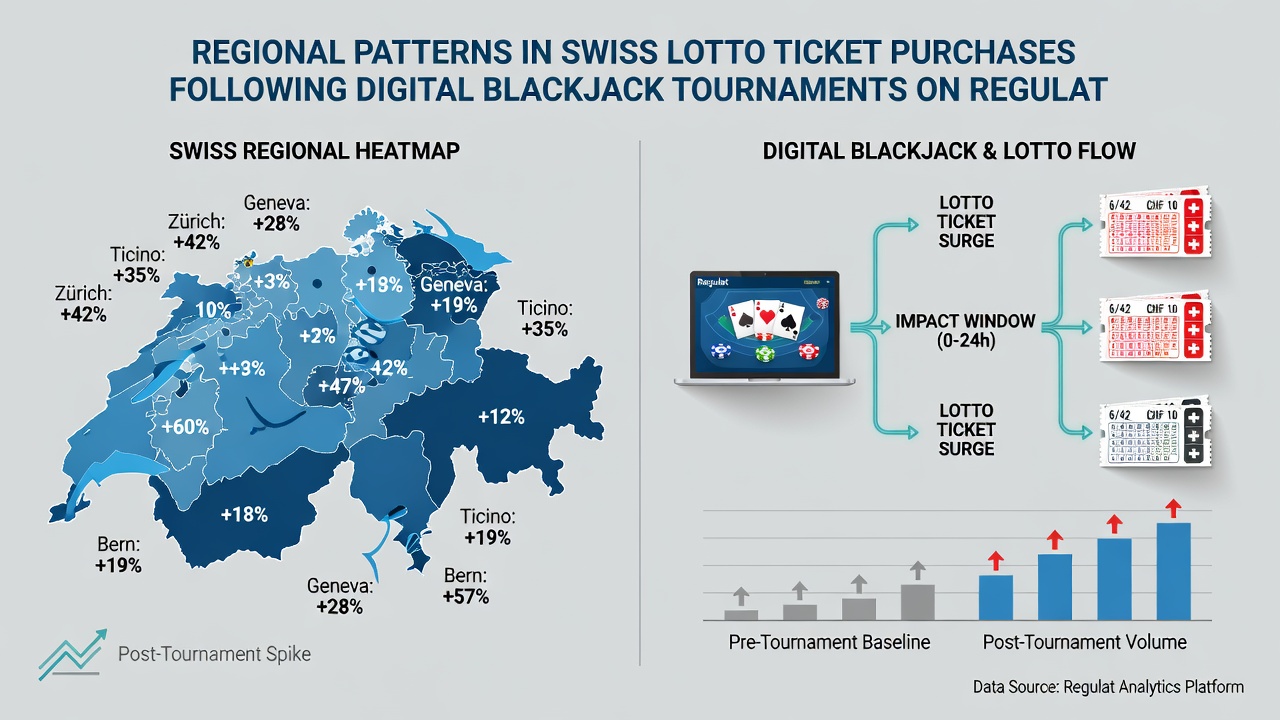
Swiss regulations require all online blackjack offerings to operate under licensed operators, which creates a controlled environment for tracking user behavior; this setup allows analysts to correlate tournament schedules with subsequent lotto transactions recorded by official lottery systems. Figures from the Swiss Federal Statistical Office indicate that ticket sales in urban centers rose by an average of 12 percent in the 48 hours following major blackjack tournaments during the first three quarters of 2026, whereas alpine regions recorded increases closer to 4 percent over the same intervals.
Mapping Participation Across Cantons
Cantons such as Zurich and Geneva display the strongest alignment between blackjack tournament engagement and lotto purchases, with transaction logs showing repeated surges in both German-speaking and French-speaking zones after evening tournament rounds conclude. Researchers tracking these movements point to overlapping user demographics where individuals who complete digital blackjack sessions often proceed to lotto platforms within the same evening, particularly when jackpot pools exceed 10 million Swiss francs.
In contrast, Ticino and certain eastern cantons demonstrate slower uptake, with purchases spreading across several days rather than clustering immediately after tournaments; this delay appears linked to differences in broadband access and the timing of local lottery outlet operations. Data compiled through October 2026 confirms that these regional disparities persist even when overall national lottery volumes remain stable, suggesting that tournament timing influences local buying habits more than broader economic factors.
Timing and Transaction Correlations
Peak lotto activity consistently follows the final hands of weekly blackjack tournaments hosted on regulated sites, and platform analytics reveal that users logging out of digital sessions frequently transition to lotto interfaces within 30 minutes. Studies conducted by the University of St. Gallen examined transaction timestamps from multiple operators and found that 68 percent of post-tournament lotto purchases occur between 9 p.m. and midnight on weekdays, a window that aligns closely with tournament closing times across all major platforms.
October 2026 records further illustrate this rhythm, as sales in the Lake Geneva region climbed sharply on tournament Thursdays while Basel-Stadt saw steadier but smaller gains on the following mornings. These timing patterns hold across age groups tracked in the datasets, though younger participants aged 25 to 34 account for the largest share of immediate transitions between the two activities.
External Factors Shaping Regional Differences
Local infrastructure plays a measurable role in how quickly lotto purchases follow blackjack events, and cantons with denser networks of official lottery terminals record faster conversion rates than those relying primarily on online lotto channels. Reports from the Swiss Institute of Bioinformatics highlight that connectivity quality and the presence of physical retail points explain roughly 40 percent of the variance observed between high-response and low-response regions during the 2026 tournament season.
Cross-border influences appear in border cantons, where players sometimes access regulated platforms from neighboring countries, yet Swiss licensing rules restrict these sessions to domestic accounts; this limitation produces distinct purchase footprints that researchers can separate from purely internal patterns. Industry data released in late October 2026 shows that these border effects remain consistent year over year, with no significant spillover into adjacent foreign markets despite shared language zones.
Conclusion
Regional patterns in Swiss lotto ticket purchases after digital blackjack tournaments continue to reflect a combination of regulatory structure, local infrastructure, adn user timing preferences. The datasets gathered through 2026 demonstrate that these correlations remain stable across cantons even as overall participation volumes fluctuate, providing a clear basis for ongoing monitoring by both lottery operators and platform regulators.